
Airbus A380
Airbus’s full-length double-deck A380 brought unprecedented passenger capacity to major long-haul routes.
For information on this aircraft, please click here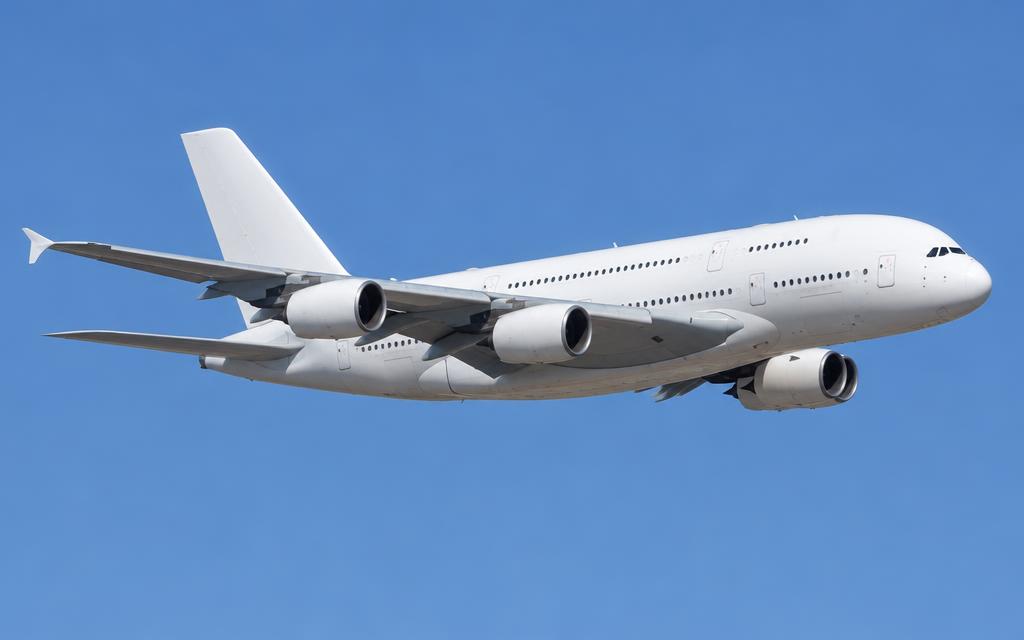
- Manufacturer
- Airbus
- First flight
- 27 April 2005
- Service introduction
- October 2007
- Production ended
- 2021
A very large airliner
Airbus conceived the A380 for high-capacity routes linking major hubs. Before receiving its final name, the programme was known as the A3XX. Its full-length double-deck passenger cabin was intended to carry large numbers of travellers where airport slots were limited and demand was concentrated.
The first A380 flew from Toulouse on 27 April 2005. Developing such a large aircraft required extensive work on structures, systems and airport compatibility, including gates, taxiways and boarding arrangements. Digital mock-ups and advanced materials were important parts of the engineering programme.
Commercial introduction
Singapore Airlines introduced the A380 into commercial service in October 2007. Other airlines used it on major intercontinental routes, with Emirates becoming particularly closely associated with the type. Airlines used the two decks for different combinations of economy, premium cabins, lounges and other facilities.
The A380-800 was the passenger production version. Rolls-Royce Trent 900 and Engine Alliance GP7200 engines powered different operators’ aircraft. A freighter version was proposed and developed but did not enter airline service.
Changing airline economics
The aircraft offered impressive capacity, but its economic case depended on filling many seats and supporting large hub-to-hub flows. Airline networks increasingly favoured efficient twin-engined wide-body aircraft that could serve a wider range of routes with less capacity risk. This shift reduced demand for new very-large airliners.
Airbus ended A380 production in 2021 after 251 deliveries. The end of manufacture did not mean the end of passenger service: airlines could continue operating aircraft already in their fleets, with availability shaped by demand, maintenance and fleet planning.
Legacy
The A380 remains distinctive for its size, two continuous passenger decks and quiet, spacious cabin experience. Its development advanced Airbus’s large-aircraft engineering and left a lasting impact on airport infrastructure. For spotters, few modern airliners have such an immediately recognisable silhouette.
What to look for
Look for two continuous rows of passenger windows, four engines and a very large wing. The double deck extends along most of the fuselage, unlike the Boeing 747’s shorter upper-deck hump.
Spotter's visual guide · Airbus A380
How to recognise it
- Full-length double deck with two rows of windows
- Four engines on a huge wing
- Wingtip fences
- Twenty main wheels
Often confused with
747 — the 747's upper deck is only a hump at the front.
Where you'll see it
Emirates · British Airways · Qantas · Singapore Airlines
Variants
A380-800